GB 8624 vs EN 13501: Wall Panel Fire Ratings by Market
China's B1 rating and Europe's Euroclass system test different things. What each export market's fire code actually requires, and why one certificate doesn't cover both.
Straight from the factory: product comparisons, installation how-tos and buying advice for importers, contractors and distributors.
China's B1 rating and Europe's Euroclass system test different things. What each export market's fire code actually requires, and why one certificate doesn't cover both.

Why some panels crack and others don't comes down to core density testing, not raw material. What actually happens on the line before a batch ships.
Extrusion, vacuum calibration, lamination and QC — the real production line steps behind every panel, from a factory shipping 3 million m² a year.
Why panels bulge, gap or leak after installation, and the factory-recommended fix for each of the six most common mistakes.
HS code classification, FCL vs LCL freight and what customs actually asks for in Brazil, Panama, Egypt and beyond — from a factory that ships every month.
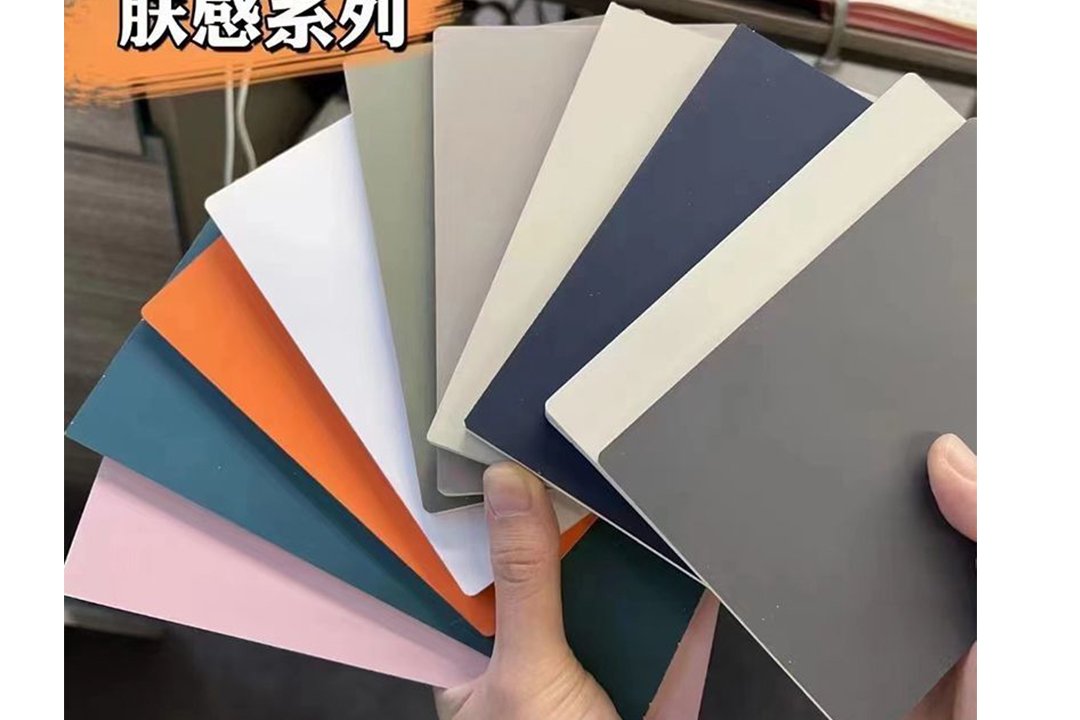
Register embossing, skin-touch texture and carved grout lines — the surface technologies that make panels read as stone, wood or fabric instead of plastic.
Where panels fit a kitchen wall, the heat buffer zone behind a gas burner, and how splashback-only coverage compares to full-wall.
Three simple tests any importer can run on a free sample before ordering a container — water resistance, fire rating and core density.
Stock vs production MOQ, how volume pricing tiers actually work, and the real thickness-driven math behind how many square meters fit in a container.
Install time, moisture resistance, repair and 10-year cost — plus an honest look at where drywall and paint still beat panels.
Install speed per room, zero grout cure time, and the room-nights math hotels use to justify switching to wall panels for renovations.
Material, labor, grout, demolition and 10-year lifetime cost — a factory-side line-by-line comparison, including where tile still wins.
What "PVC is toxic" actually refers to, what VOC emissions really look like, why formaldehyde isn't a factor, and the certifications to ask for before you order.
What's actually inside the core, how co-extrusion works, and how carbon crystal compares to bamboo-charcoal and standard PVC sheet — from the factory floor.
The full eight-step process — specs, samples, MOQ, container loading, pre-shipment inspection, HS codes and customs — from a factory that ships every month.
Why cheap panels crack and flex, what each thickness and grade is actually built for, and how to test a sample yourself before ordering a container.
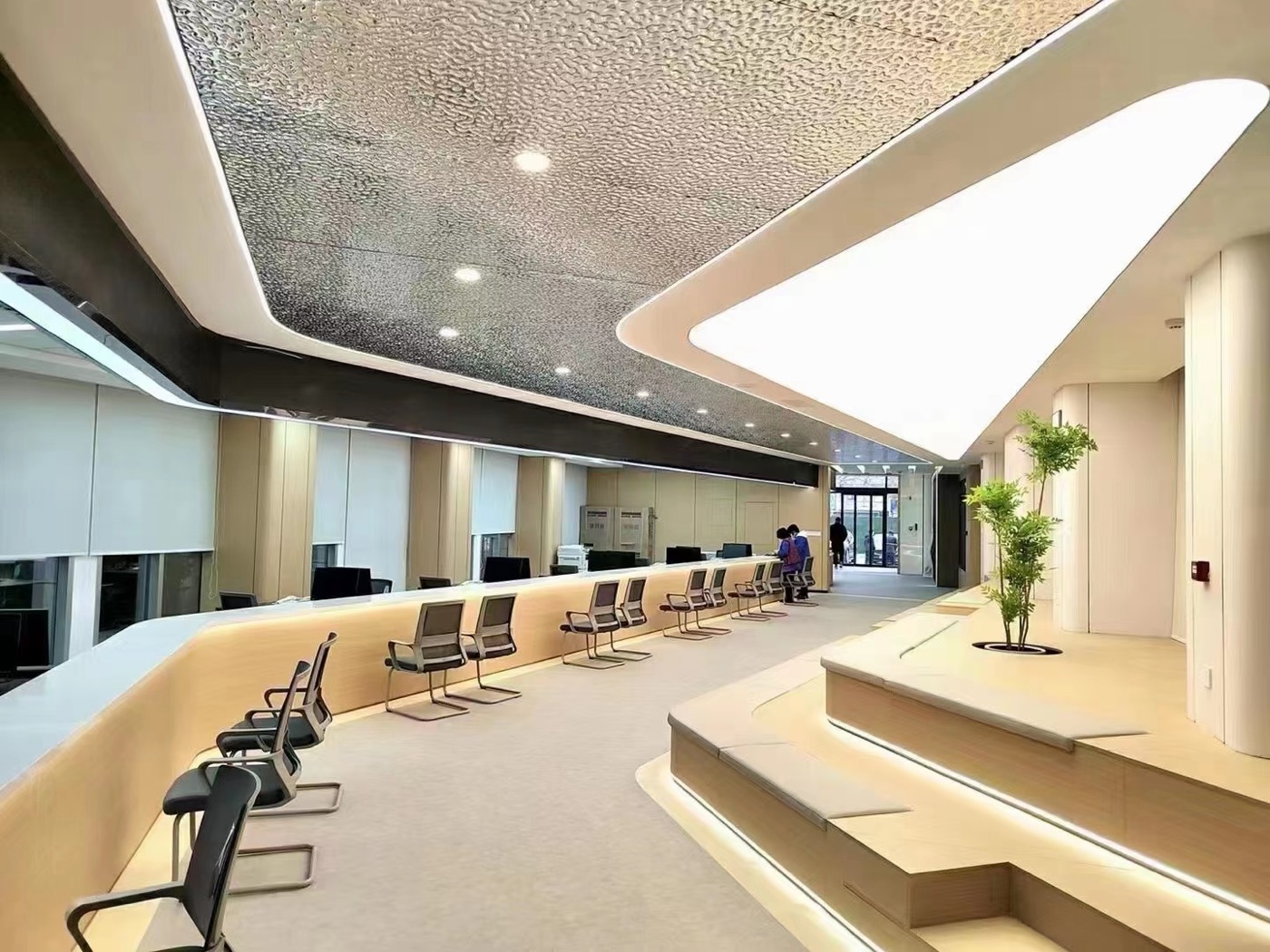
Which surface family fits which venue — metal and mirror for KTV, mirror and skin-touch for salons, wood-grain and fabric for offices — plus fire rating and maintenance notes.
Factory vs trading company, certifications to actually verify, MOQ traps and the red flags that separate real manufacturers from resellers.
Core material, thickness, pricing logic and best-fit applications — a factory-side comparison to help you choose the right panel for your market.
Tools, surface prep, tongue-and-groove technique, corners and trims — one installer can cover 20 m² a day with this workflow.
Zero water absorption, no grout, 5× faster installation — why hotels and renovators are replacing ceramic tiles with SPC panels.