PVC Wall Panels vs Ceramic Tiles: Full Cost Breakdown
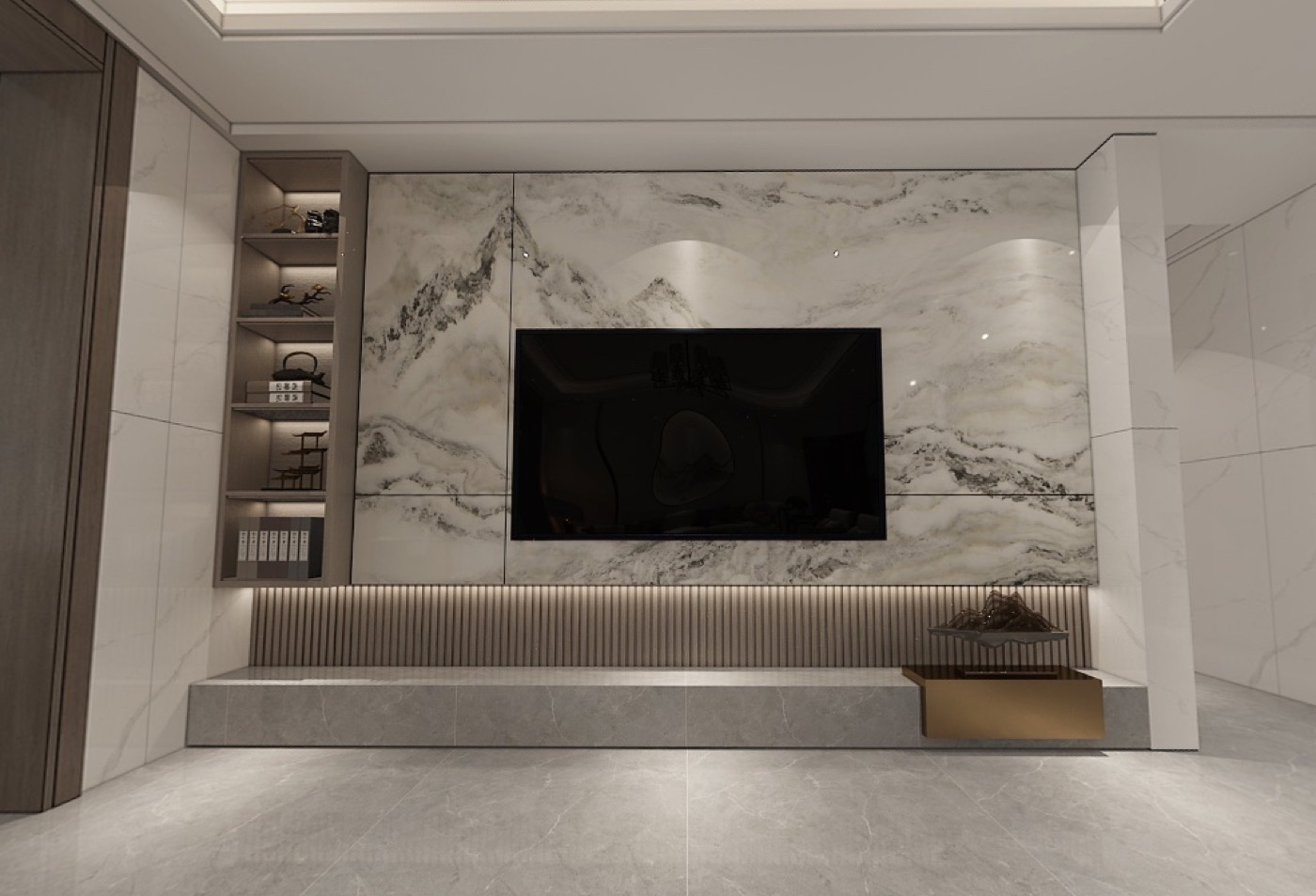
PVC and SPC wall panels typically cost 30–50% less than ceramic tile once installation, grout and demolition are counted — not because the raw material is dramatically cheaper, but because tile drags along four extra cost lines that panels skip entirely: substrate prep, grout, sealant and, on a renovation, tear-out of what was there before. We supply the panel side of this comparison from the factory floor; here's the honest line-by-line math, including where tile still wins.
The Short Answer
Wall panels save money mainly on labor and demolition, not raw material price per square meter — tile and mid-range panels often land in a similar material cost band. The gap opens once you add installation time, grout, sealant, and — on a remodel — the cost of ripping out an existing wall finish that panels can often skip by installing directly over it.
1. Material Cost: Closer Than You'd Think
Panel and tile material cost bands overlap more than either industry likes to admit. Our carbon crystal and SPC range runs across six thickness/grade combinations — 5 mm entry grade up to 8 mm SPC for wet zones — with pricing tiered by container volume, and mid-range ceramic tile sits in a comparable per-square-meter band before installation. The real separation starts at checkout, in the lines below.
2. Installation Labor: Where the Gap Actually Opens
One installer covers roughly 20 m² of wall panel per day using tongue-and-groove click-lock — the same figure from our own installation guide. Ceramic tile installation runs slower, typically 6–10 m² per tiler per day once cutting, spacing and grout lines are factored in — an industry average, not a claim about any specific crew. On a 40 m² bathroom or hotel room wall, that's roughly a half-day panel job versus 4–7 days of tiling labor.
| Cost Line | PVC/SPC Wall Panels | Ceramic Tile |
|---|---|---|
| Install speed | ~20 m²/installer/day | ~6–10 m²/tiler/day (industry average) |
| Grout / sealant | None (click-lock joints) | Grout + silicone sealant, resealed periodically |
| Cure time before use | None — usable immediately | 24–48 hrs grout cure (industry average) |
| Demolition on remodel | Often skipped — installs over sound existing tile | Usually required if old tile is failing |
| Water absorption | 0% (panel core) | Low on tile body, but grout lines absorb and stain |
| Typical service life | 20–30 years, normal indoor use | 20+ years, with periodic regrouting/resealing |
3. Grout and Sealant: A Recurring Cost Panels Don't Have
Grout is not a one-time cost. Tile grout lines typically need resealing every 1–2 years in wet areas and full regrouting on a longer cycle to stay watertight and stain-free — a maintenance cost that shows up on every hotel or rental-property budget years after the original install. Panel click-lock seams have no grout line to maintain, which is the single biggest reason facilities managers move to panels for repeat properties rather than a one-off remodel.
4. Demolition: The Cost Panels Can Skip Entirely
On a renovation over sound, flat existing tile, panels commonly install directly on top of it, skipping demolition, disposal and the dust/noise of tear-out — a real line item on any contractor quote. Tile almost always requires full removal of a failing substrate before new tile can be set, since tile needs a flat, stable, properly keyed surface underneath. This single difference is often the largest cost gap on a renovation project, larger than the material or labor lines above it.
5. The 10-Year Lifetime View
Properly specified panels run 20–30 years under normal indoor conditions with zero resealing, versus a tile installation that lasts as long structurally but typically needs at least one regrouting or resealing cycle within that window to stay watertight, plus occasional cracked-tile replacement where a single tile failure means matching and re-cutting a discontinued batch. Over a 10-year hold, that maintenance gap — not the install-day price — is usually what tips the total cost comparison toward panels for commercial and rental properties.
A Worked Example: Running the Numbers Yourself
The comparison only means something once you plug in your own labor rates, so here's the formula rather than a fixed number. Total 10-year cost = material + (install days × crew day-rate) + demolition (if required) + (maintenance cycles × regrout/reseal cost). For a 40 m² wall, panels typically need under a day of install labor and zero maintenance cycles; tile typically needs 4–7 days of install labor plus at least one regrouting or resealing cycle within a 10-year window. Even if panel material costs slightly more per square meter than budget tile in your market, the labor and maintenance lines usually close that gap and then some — but run the actual numbers for your region, since day-rates and tile pricing vary widely by country.
The variable that changes this math most is project size. On a single small feature wall, the labor-time saving is small in absolute dollars and material price differences dominate. On a hotel floor, a retail chain rollout, or any project measured in hundreds of square meters, the labor and maintenance gap compounds fast — which is why panels show up disproportionately in commercial and hospitality specs rather than one-off residential jobs.
Honest Limits: Where Tile Still Wins
Tile beats panels in one real scenario: very small, heavily cut-up spaces with lots of corners, niches and odd angles, where tile's small unit size wastes less material on cuts than a large-format panel sheet. A tiny powder room with a curved niche is genuinely cheaper to tile than to panel once you count wasted offcuts. For anything larger than a small bathroom, that math flips back in favor of panels.
Get a Landed Cost Comparison for Your Project
Tell us your wall area and market — we'll quote panel cost per square meter so you can run this comparison against your local tile pricing.
Request a Quote →Frequently Asked Questions
Are wall panels actually cheaper than tile, or just faster?
Both, but for different reasons. Material cost is often similar; panels save money mainly on labor speed, skipped demolition, and zero grout/resealing maintenance over the life of the wall.
Can you install panels directly over old tile?
Yes, if the existing tile is sound, flat and firmly bonded — this is one of the biggest cost savings versus tile, which almost always needs the old surface removed first.
Do wall panels look cheap compared to real tile?
A thin, low-grade panel can. A properly cored 5–8 mm panel with a stone, wood or metal surface finish reads as a premium material at normal viewing distance, not a plastic substitute.
Is grout really that expensive to maintain long-term?
It's less about the grout itself and more about labor — resealing or regrouting a wet-area wall every 1–2 years adds up in recurring maintenance cost that a click-lock panel wall simply doesn't have.
What size project is panel cheaper for?
Anything from a standard bathroom up — full walls, hotel corridors, commercial fit-outs. Very small, heavily cut-up spaces with lots of corners are the one case where tile can come out ahead.
Does panel material cost more than tile per square meter?
It depends on the grade and market — mid-range panels and mid-range tile often land in a similar band. The cost gap that favors panels shows up in labor, demolition and maintenance, not raw material price alone.