Are PVC Wall Panels Durable? Thickness, Core & Grade Explained
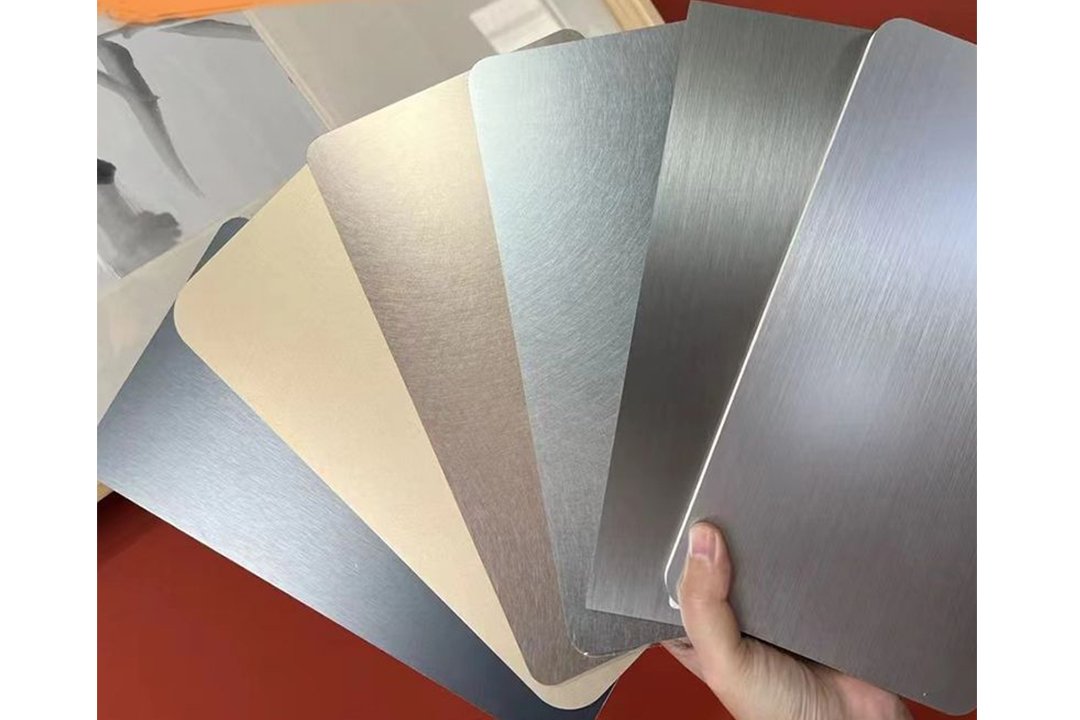
"PVC panels crack" and "PVC panels feel flimsy" are the two complaints that show up first whenever wall panels get discussed online. Both are true — of a specific product, not the category. Durability in PVC wall panels is set almost entirely by thickness, core material and grade, and the market sells all three at very different levels under the same generic name. We manufacture six grades in-house, so here is what actually separates a panel that lasts 20+ years from one that dents on move-in day.
The Short Answer
Yes, PVC wall panels are durable — when you buy the right thickness and grade for the location. A 5 mm entry-grade panel is genuinely durable for a dry bedroom wall that sees no impact. That same 5 mm panel in a hotel corridor, where luggage carts and trolleys hit the wall daily, will dent and crack — not because "PVC panels are bad," but because it's the wrong grade for that job.
Why Cheap PVC Panels Actually Crack
Cracking is a thickness and core-density problem, not an inherent flaw in PVC as a material. Factories compete on shelf price by shaving core thickness and cutting the amount of calcium carbonate or bamboo-charcoal filler in the core — the panel looks identical in a product photo but flexes and snaps under the same force a properly cored panel would absorb. A panel under roughly 4 mm with a shallow click-lock profile is the version most "PVC panels crack" complaints are describing.
Our own range starts at 5 mm for a reason: below that, the interlocking tongue-and-groove edge doesn't have enough material to stay rigid over a 3 m span without a full batten grid behind it.
Thickness and Grade: What Each Number Buys You
Our carbon crystal and bamboo-charcoal panel line ships in six grades across two thicknesses, each engineered for a different load profile — not just a different price point.
| Grade | Thickness | Core | Best For |
|---|---|---|---|
| A — Carbon Crystal | 5 mm | Carbon crystal composite | Bedrooms, dry residential feature walls |
| C — Bamboo Crystal | 5 mm | Bamboo-charcoal composite | Living rooms, offices, low-impact walls |
| B — Carbon Crystal | 7.5 mm | Carbon crystal composite | Corridors, retail, moderate-traffic commercial |
| D — Bamboo Crystal | 7.5 mm | Bamboo-charcoal composite | Hotel guestrooms, restaurants |
| E — Anti-Impact | 7.5 mm | Reinforced impact-resistant core | Hotel corridors, KTV, hospitals, high-traffic commercial |
| F — SPC | 8 mm | Limestone + PVC composite | Bathrooms, kitchens, wet commercial zones |
Panels come in a fixed 1.22 m width and run 2.44 to 3.00 m in length across four standard lengths, so full-height installs to 3.0 m are possible without a horizontal seam — a seam is usually where a "cheap panel" complaint actually starts, since a poorly matched joint at a seam is what people notice first, not the panel body itself.
What the Core Material Does for Longevity
A carbon crystal or bamboo-charcoal core is a PVC-based composite reinforced with mineral filler, not raw plastic sheet — that reinforcement is what gives it rigidity and a 20–30 year service life under normal indoor conditions, versus the 5–10 years a homeowner might expect from an unreinforced PVC sheet. All our panels carry a B1 flame-retardant rating regardless of grade, and water absorption sits at 0% across the entire range, so moisture cycling — the other slow killer of wall coverings — isn't a factor even on the thinnest 5 mm boards.
Where Anti-Impact Grade Earns Its Premium
Grade E exists because standard 7.5 mm panels still deform under repeated concentrated impact — a luggage cart corner, a wheeled cart, a swung door handle. The reinforced core in anti-impact panels resists localized denting at the same thickness a standard panel would mark permanently. It costs more per square meter, and for a bedroom or office wall that premium is wasted money; for a hotel corridor or hospital ward it is the difference between a wall that survives a 10-year renovation cycle and one that needs patching in year two.
How to Test Durability Yourself Before You Buy
You don't need a lab to spot an underweight panel — three checks on a free sample tell you most of what matters. Flex test: hold a 300 mm offcut by one end; a properly cored 5 mm panel resists noticeably, while an underweight panel bows with almost no pressure. Edge test: press a fingernail into the click-lock edge — a shallow, soft profile is the first thing to fail after repeated installation cycles. Surface test: drag a coin lightly across the finish; a properly laminated surface (cold or hot lamination, or PET film) won't scuff, while a thin printed film scratches through to a visibly different color underneath. Ask any supplier for a free sample before ordering a container — a factory confident in its own core material has no reason to refuse.
Honest Limits: Where PVC Panels Are the Wrong Choice
Even our thickest anti-impact grade is not a structural material — it should not carry heavy wall-mounted cabinetry or a wall-hung sink without a proper batten or bracket anchored to the structural wall behind it, the same way you wouldn't hang a cabinet directly off drywall. And no PVC-based panel, ours included, is rated for sustained heat above roughly 60°C, so sauna interiors and areas directly behind unshielded heat sources should use a different material. We'd rather say this upfront than have a distributor find out from a returned order.
Get the Right Grade Quoted for Your Project
Tell us the application — residential, hotel corridor, retail, wet area — and we'll recommend the grade and send free samples to test yourself.
Request a Quote →Frequently Asked Questions
Do PVC wall panels crack easily?
Thin, low-density panels (typically under 4 mm) do. Panels at 5 mm and above with a reinforced core hold up under normal residential and light-commercial use; high-traffic areas should use 7.5 mm anti-impact grade specifically.
Are PVC wall panels flimsy or cheap looking?
Flex and a hollow feel come from thin cores and simplified locking edges, not the material itself. A properly cored 5–7.5 mm panel feels rigid and doesn't flex noticeably when pressed by hand.
What thickness of PVC panel should I buy?
5 mm for dry, low-impact residential walls; 7.5 mm standard for hotel rooms and offices; 7.5 mm anti-impact for corridors and high-traffic commercial; 8 mm SPC for wet areas needing extra rigidity.
How long do PVC wall panels actually last?
20–30 years under normal indoor conditions for properly specified panels, with no repainting or resealing. Lifespan drops sharply for underweight panels under repeated impact or in unsuitable environments like saunas.
Can PVC wall panels hold a TV or shelf?
Not directly. Mount into a batten or bracket anchored to the structural wall behind the panel, the same way you would with drywall — the panel itself isn't load-bearing.