PVC Wall Panels vs Drywall & Paint: When Each Makes Sense
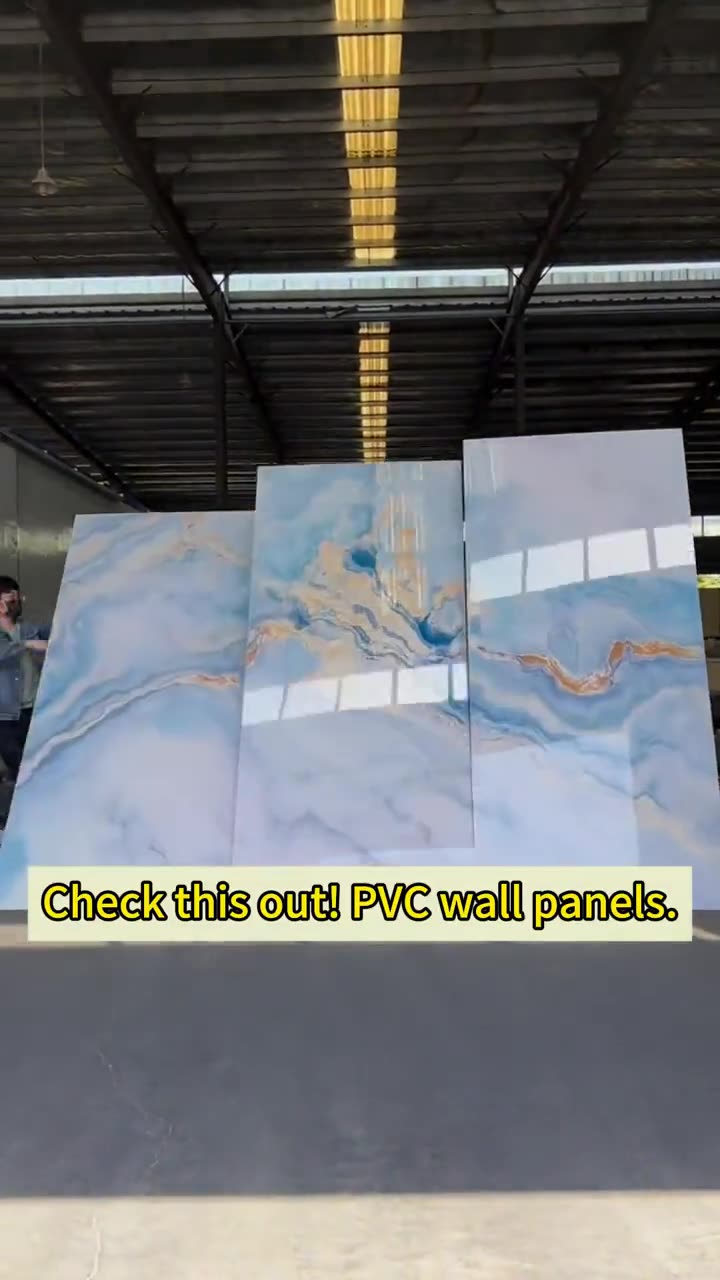
Drywall and paint is the default answer almost everywhere — cheap materials, any contractor can do it, any color you want. So the real question distributors and contractors ask us is not "which is better," it's where does drywall stop making sense, and where do panels start winning? As a panel manufacturer we obviously sell panels — so this comparison also tells you plainly where drywall is still the right call.
The Short Answer
- Choose PVC / carbon crystal panels for bathrooms, kitchens, rental units, hotel rooms and any wall that needs to survive moisture, knocks or a fast turnaround between tenants.
- Choose drywall and paint for walls that need custom paint colors, frequent repainting for resale staging, curved or non-standard architectural surfaces, or budget-first new-build projects where wet-area waterproofing isn't a concern.
- Most renovation projects use both: drywall for ceilings and low-traffic bedroom walls, panels for bathrooms, kitchens and high-traffic commercial areas.
Installation Time and Labor
PVC wall panels install roughly five times faster than a full drywall-and-paint system, because panels skip the multi-day wet-work sequence entirely. A drywall wall needs board hanging, taping, three coats of joint compound with drying time between each, sanding, priming and painting — commonly 5–7 days start to finish including cure time. A panel installer using our tongue-and-groove click system covers about 20 m² per day with zero cure time, so a standard bathroom or bedroom wall is finished in hours, not days. See our full step-by-step panel installation guide for the workflow.
Moisture and Water Resistance
Standard drywall absorbs water and swells, which is why bathrooms and kitchens require moisture-resistant "green board" or cement board as a workaround — an extra material cost and install step most homeowners don't budget for. PVC and carbon crystal panels have 0% water absorption by design, with no moisture-resistant variant needed because the base material already handles direct water contact. In wet zones specifically, our SPC panel line goes further with a denser stone-composite core built for constant splashing.
Durability and Repair
Drywall dents, chips and develops nail pops with normal household impact, and any repair means a fresh patch of joint compound, sanding and repainting a visible section of wall — color-matching an old paint job is harder than it sounds. Panels finished at 7.5 mm anti-impact grade resist dents and scuffs that would mark drywall, and a damaged panel section pops out and gets replaced along the same click-joint, without repainting anything.
Color and Design Flexibility
This is drywall's real advantage. Painted drywall can be any color, repainted whenever taste changes, at low material cost. Panels are limited to the finishes a manufacturer produces — our range covers 8 surface families (wood, metal, mirror, fabric, stone, wave, skin-touch and more) with over 1,000 designs, which covers most commercial and residential briefs, but it is not infinite the way a paint swatch book is. If a project needs an exact custom brand color on a flat wall, paint remains the more flexible tool.
Specification Comparison
| Factor | PVC / Carbon Crystal Panels | Drywall + Paint |
|---|---|---|
| Install time (standard wall) | Hours, no cure time | 5–7 days incl. drying/curing |
| Water absorption | 0% | Absorbs water; needs moisture-resistant board in wet areas |
| Fire rating | B1 flame retardant | Varies by board type |
| Repair method | Pop out and replace panel section | Patch, sand, prime, repaint |
| Color/design range | 8 surface families, 1,000+ designs | Unlimited paint colors |
| Best for curved walls | Limited — flat/near-flat surfaces | Yes, with proper framing |
| Typical lifespan before refinish | 20–30 years | 3–7 years between repaints |
Cost Over Time
Drywall and paint costs less upfront in materials, but repainting every 3–7 years for maintenance or wear adds up — plus the labor of prepping, priming and repainting each time. Panels cost more per square meter installed but need no repainting, resealing or regrouting across a 20–30 year service life, which is the same comparison we've laid out in detail for tile in PVC Wall Panels vs Ceramic Tiles: Full Cost Breakdown. For a rental property or hotel with frequent turnover, the labor saved on repeat repainting is usually the deciding number, not the material price on day one.
Honest Limitation: Where Drywall Still Wins
If a wall needs a specific custom paint color, will be repainted often for restyling, or has curved or irregular architectural geometry, drywall is genuinely the better tool — panels are a flat-surface, fixed-finish product, and forcing them onto a project that needs paint-level flexibility is the wrong call. We'd rather tell you that upfront than sell a panel into a job where paint fits better.
Not Sure Which Fits Your Project?
Tell us the room type and finish you're after — we'll tell you honestly whether panels or paint is the better call, with samples if panels make sense.
Request a Quote →Frequently Asked Questions
Are PVC wall panels cheaper than drywall?
Not on material cost alone — drywall and paint is cheaper upfront. Panels win on total cost over time because they need no repainting or moisture-resistant board in wet areas, and install in a fraction of the labor time.
Can you paint PVC wall panels?
It's possible but not recommended — panel surface films are designed to stay finish-permanent, and paint adhesion on a PVC or laminate surface is unreliable long-term. If you want a paintable, repaintable wall, drywall is the better base.
Do PVC panels work over existing drywall?
Yes — panels can be installed directly over sound existing drywall using battens or adhesive, without demolition, which is one of the most common renovation use cases.
Is drywall better for bathrooms if I use moisture-resistant board?
Moisture-resistant drywall reduces but doesn't eliminate water absorption risk, especially at seams and around fixtures. Panels have 0% water absorption across the full surface, which is why they're the more common choice for direct-splash zones like showers.
How long do PVC wall panels last compared to a painted wall?
Panels typically run 20–30 years without refinishing, versus a painted drywall wall that usually needs repainting every 3–7 years depending on traffic and moisture exposure.