Are PVC Wall Panels Safe? Toxicity, VOC & Fire Ratings Explained
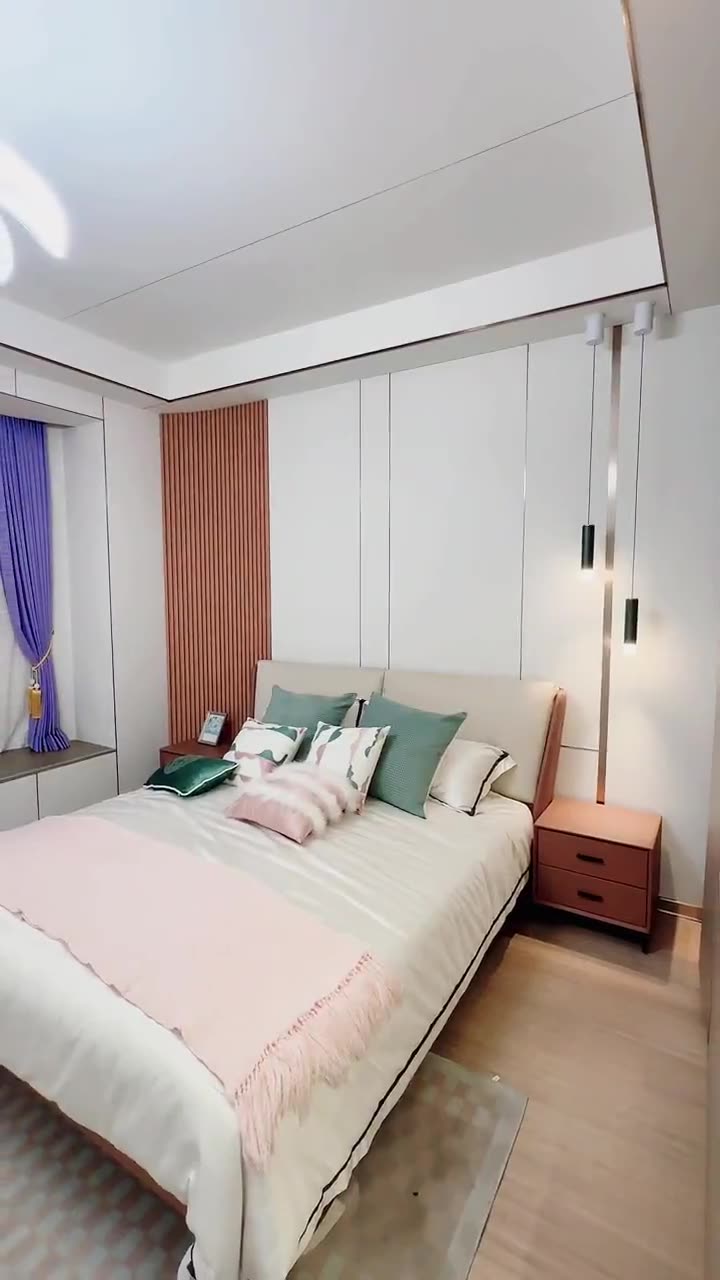
"Is PVC toxic?" is one of the first questions we get from buyers who have never sourced building materials from China before — usually right after they've read a forum thread about vinyl flooring or shower curtains. It's a fair question to ask before importing a container of anything for people's homes. It's also a different question than the one most buyers actually need answered, which is: what's in a rigid, mineral-filled wall panel core specifically, and what test reports back that up? We manufacture the panels, so here's the factory-side answer with the certifications and data behind it.
The Short Answer
Properly manufactured PVC wall panels are safe for residential and commercial interiors — the real variable is quality control, not the material itself. Our panels are formaldehyde-free, carry a B1 flame-retardant rating, and are tested by SGS for regulated substances before they ship. The buyer's job isn't to avoid "PVC" as a category — it's to ask any supplier for the specific test report before signing off on a container.
Why "PVC Is Toxic" Gets Repeated So Often
The toxicity concern people cite online almost always traces back to soft, flexible PVC products — vinyl flooring, shower curtains, cheap wallpaper film — which use plasticizers (commonly phthalates) to keep the material bendable, and those plasticizers are what can off-gas over time. Rigid wall panel composites are a different formulation entirely. A carbon crystal or SPC wall panel core is a dense, extruded mix of PVC resin with mineral filler (limestone powder or bamboo-charcoal powder) — there's very little of the soft plasticizer content that drives the flexible-PVC concern in the first place, and under EU REACH rules, restricted phthalates (DEHP, DBP, BBP, DIBP) are capped at under 0.1% by weight in any compliant product regardless of category.
What VOC Emissions Actually Look Like
New PVC-based panels can carry a mild manufacturing smell in the first 48–72 hours after installation, similar to new vinyl flooring or a new car interior — this is normal off-gassing of residual low-level VOCs from the extrusion and lamination process, and it clears with normal room ventilation. It is not the same as a sustained chemical hazard. A panel that still smells strongly after a week in a ventilated room is a quality-control red flag, not a normal PVC characteristic, and worth raising with your supplier directly.
| Product Type | Typical Plasticizer Content | Common VOC Concern |
|---|---|---|
| Soft PVC (shower curtain, vinyl film) | High — needed for flexibility | Ongoing phthalate off-gassing |
| Vinyl sheet flooring | Moderate | Initial off-gassing, adhesive-dependent |
| Rigid PVC wall panel core (ours) | <0.1% restricted phthalates (REACH-compliant) | Brief 48–72h manufacturing smell only |
| Solid wood / MDF wallboard | N/A — different concern | Urea-formaldehyde from adhesive layers |
Formaldehyde: Why It Isn't a Factor Here
PVC wall panels don't contain formaldehyde because there's no wood-based adhesive layer to release it from. Formaldehyde emissions are a concern specific to MDF, plywood and particleboard products bonded with urea-formaldehyde resin — a carbon crystal or SPC panel core is extruded, not glued from wood veneers, so this particular risk simply doesn't apply to the category. We still test every production batch and hold the test report on file, since "doesn't apply by design" isn't the same as "trust us."
B1 Fire Rating: What It Means and Doesn't Mean
A B1 flame-retardant rating, under China's GB 8624 building materials classification, means a panel self-extinguishes within seconds once the flame source is removed, rather than continuing to burn and spread fire — it does not mean the panel is fireproof or won't scorch on direct, sustained contact with flame. All six grades we manufacture — 5 mm and 7.5 mm carbon crystal and bamboo-charcoal panels, plus 8 mm SPC — carry this rating as standard, which is the fire performance most hotel, office and multi-family building codes require for interior wall finishes.
Certifications a Buyer Should Actually Ask For
A supplier's marketing claim of "eco-friendly" or "non-toxic" means nothing without paperwork behind it. Ask for these before you commit to a container:
| Document | What It Verifies |
|---|---|
| SGS test report | Third-party lab confirmation of formaldehyde content, heavy metals and phthalate levels against the standard you specify |
| B1 fire classification certificate | Independent flame-retardancy testing under GB 8624 or an equivalent national standard |
| ISO 9001 | Consistent manufacturing process control — not a safety test itself, but evidence of batch-to-batch consistency |
| REACH compliance statement | Restricted-substance limits (phthalates, heavy metals) for the EU market |
Any factory shipping internationally should produce these on request within days, not weeks. A supplier who stalls or can only offer a certificate for a different product line than the one they're quoting is telling you something.
Honest Limits: What "Safe" Doesn't Cover
B1 fire-retardant means self-extinguishing, not heat-proof — our panels, like any PVC-based product, aren't rated for sustained exposure above roughly 60°C, so sauna interiors and walls directly behind unshielded heating elements need a different material regardless of certification. And if a buyer or end customer has a diagnosed chemical sensitivity, the honest advice is the same for any new building material: request a sample, let it off-gas in a ventilated room for a few days, and judge for yourself rather than relying on a spec sheet alone.
Request Our SGS Test Report and a Free Sample
Tell us your target market and we'll send the current SGS report, B1 fire certificate and a free sample so you can verify before you order.
Request a Quote →Frequently Asked Questions
Do PVC wall panels smell after installation?
Most panels carry a mild manufacturing smell for 48–72 hours that clears with normal ventilation. A strong smell that persists past a week signals a quality issue, not a normal PVC characteristic.
Are PVC wall panels safe for bedrooms and kids' rooms?
Yes, when the panel is formaldehyde-free and REACH-compliant, which rigid wall panel composites like ours are by construction. Ask for the SGS report to confirm before ordering, especially for nurseries or children's spaces.
Do PVC panels contain formaldehyde like MDF or plywood?
No. Formaldehyde comes from urea-formaldehyde adhesives used to bond wood veneers in MDF and plywood. PVC wall panel cores are extruded, not glued from wood layers, so this isn't a relevant risk for the category.
Is PVC wall paneling bad for the environment?
PVC production and disposal carry environmental trade-offs like most plastics, but a 20–30 year service life with zero repainting or resealing compares favorably to materials that need repeated maintenance and replacement over the same period. We'd rather state that trade-off honestly than claim the material is impact-free.
What does B1 fire rating actually mean?
Under China's GB 8624 standard, B1 means the material self-extinguishes within seconds once a flame source is removed. It's not fireproof — it's the flame-retardant performance level most commercial building codes require for interior wall finishes.
Can I get a lab test report before I order a container?
Yes — any legitimate factory should provide a current SGS test report and B1 fire certificate within days of your request, along with a free sample so you can verify independently.